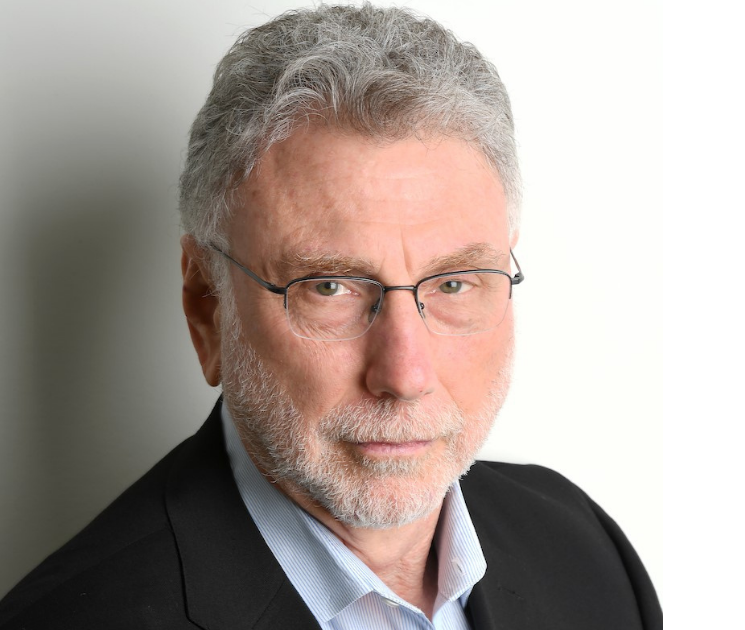
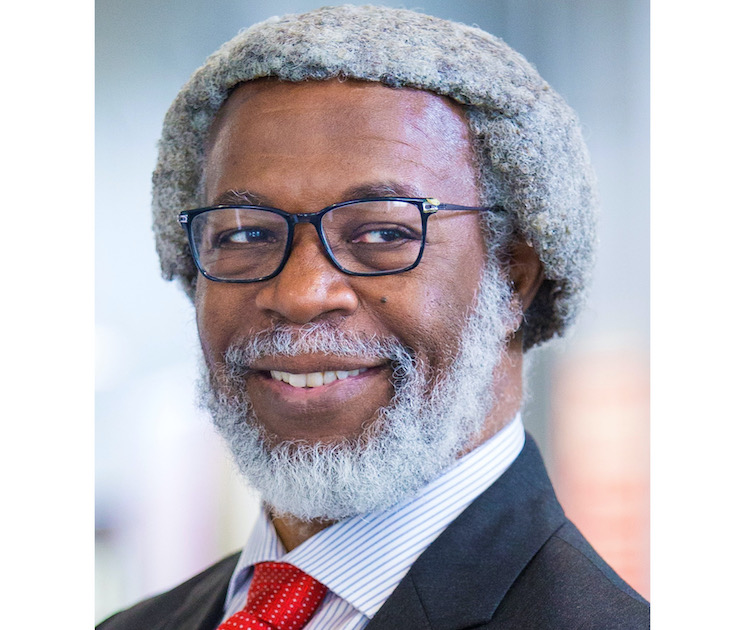
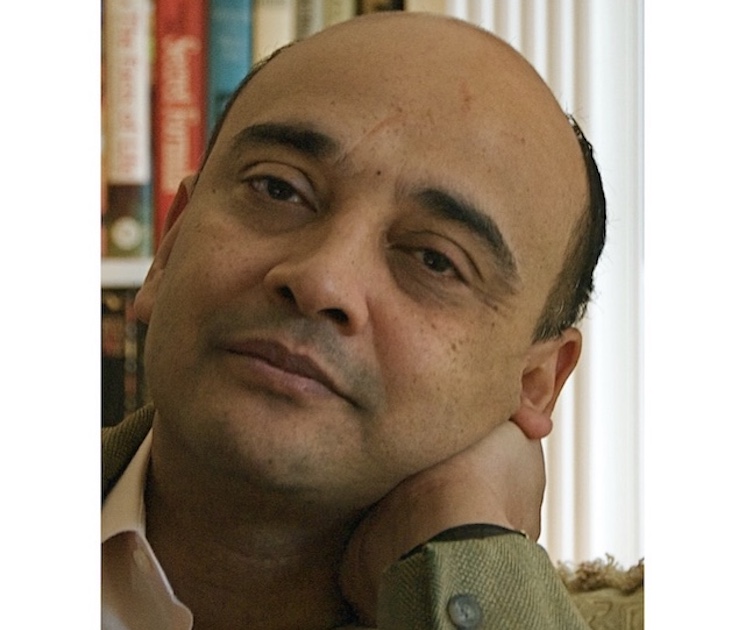
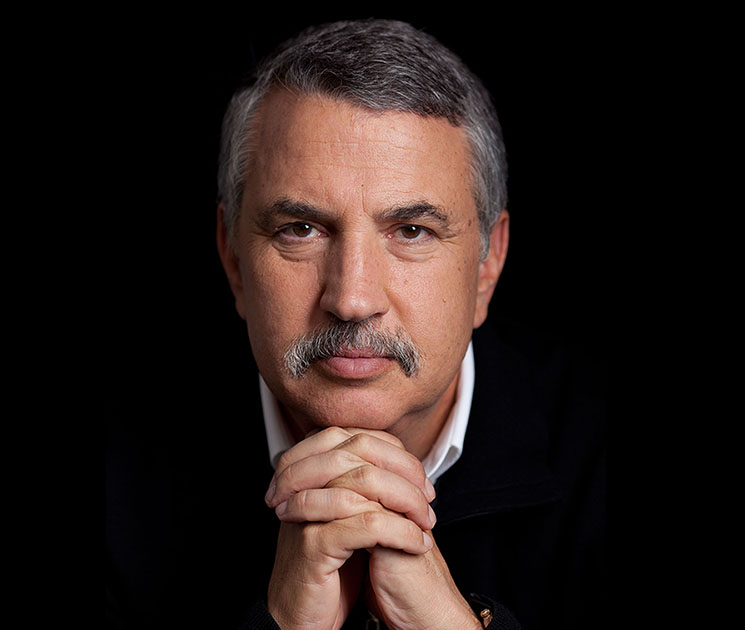
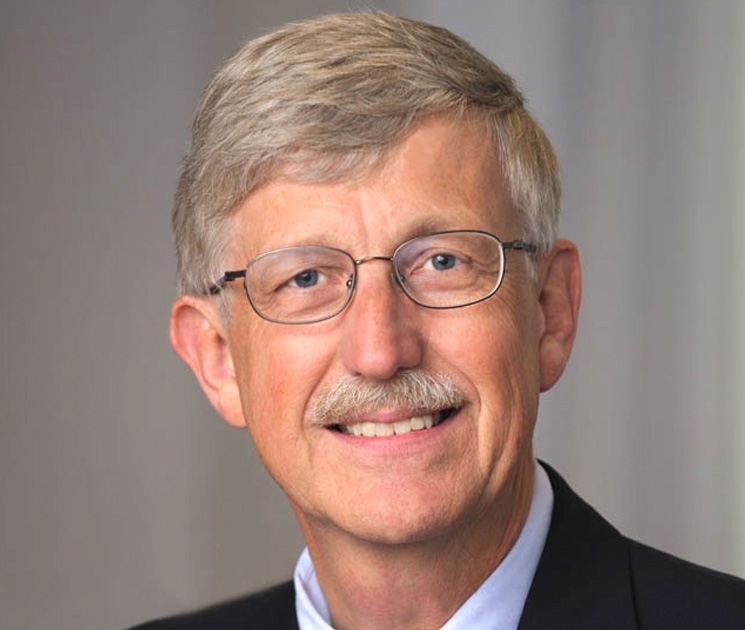
Janet Napolitano

Janet Napolitano, 2011

Janet Napolitano (b. 1957) was sworn in on January 21, 2009 as the third secretary of the Department of Homeland Security, in which role she directs the nation’s counterterrorism, border security, immigration enforcement, as well as disaster preparedness, response, and recovery. Prior to joining the Obama Administration, she was mid-way through her second term as governor of Arizona. While governor, Secretary Napolitano became the first woman to chair the National Governors Association, through which she was instrumental in creating the Public Safety Task Force and the Homeland Security Advisors Council. She also chaired the Western Governors Association and served as the attorney general of Arizona and the US attorney for the District of Arizona.

Rt. Hon. David Miliband MP

Rt. Hon. David Miliband MP, 2010

David Miliband is the former Secretary of State for Foreign and Commonwealth Affairs of the United Kingdom, in which post he served from June 2007 to October 2010. Secretary Miliband was educated at Haverstock Comprehensive School in London. After graduating with first class honors in philosophy, politics, and economics from Corpus Christi College, Oxford University, he completed a master’s degree in political science in 1990 at MIT, where he was a Kennedy Scholar. He is the elder son of the late Marxist theoretician Ralph Miliband and Marion Kozak, and his brother is the Right Honorable Edward Miliband MP, former Secretary of State for Energy and Climate Change.

Steven Chu

Steven Chu, 2009

Dr. Chu was born in St. Louis, Missouri, into a family of scholars who placed an enormous value on education. Both his father and mother studied at MIT, in chemical engineering and economics, respectively, and they nurtured intellectual curiosity in their children. As a young child, Dr. Chu built model airplanes and warships, graduated to Erector Sets, and later, spent his school lunch money on parts for homemade rockets that he constructed with a friend. He matriculated to the Rochester Institute of Technology, where he developed a love for physics and mathematics, and from which he graduated in 1970. In 1976, after completing his graduate and postdoctoral work at the University of California at Berkeley, Dr. Chu spent nine years at Bell Laboratories. The atmosphere at Bell Labs during that period (1978–1987) was one “permeated by the joy and excitement of doing science,” according to Dr. Chu, and his work there led to the laser cooling and trapping of atoms for which he was awarded the Nobel Prize.

President Paul Kagame

President Paul Kagame, 2008

The news these days from Africa isn’t all bad. In fact, in some places, it’s downright hopeful, as Rwandan President Paul Kagame attests. “Our continent is no longer all about violence and disease and human disasters that scarred many African countries in recent decades,” says Kagame. “We are now becoming a continent of opportunities.” There are those who doubted Rwanda could “constitute a viable state,” says Kagame, but 14 years after bloody genocide and civil war, his country has managed an astonishing revival.

Tom Brokaw

Tom Brokaw, 2008

Tom Brokaw characterizes the transformation of the world by digital technology as a second “Big Bang,” a time of great possibility, but also of danger. This revolution is being advanced not by “a small collection of monkish wonks working in a secret lab” but by a vast and ever larger population ranging from inventive teenagers to military analysts in the Pentagon, says Brokaw, who feel “power at their fingertips and in the bowels of their servers.” They believe that the world is limited only by their imagination. Yet, cautions Brokaw, “life is not a virtual experience. If we develop capacity and leave out compassion, what is the reward? What are the consequences if speed overruns reason?”

Jeff Bingaman

Jeff Bingaman, 2008

For those seeking reassurance that American politicians take climate change and clean energy seriously, look no further: Jeff Bingaman wraps his arms around this enormous issue, and sets forth an ambitious national agenda to address the challenge. Bingaman sees a new attitude emerging in Washington. Politicians have begun to grasp that reduced dependence on foreign oil is not enough, and that today’s energy challenge requires an overhaul in the way the entire world produces, stores, distributes, and uses energy to reduce greenhouse gas emissions. This urgent, immense challenge is happening “in a world of growing demand for energy as billions of people are rising out of poverty.”

Edward M. Kennedy

Edward M. Kennedy, 2007

Kennedy believed that promoting politics at the expense of all else “breeds cynicism and erodes trust, but also threatens the foundations of democracy.” Yet he saw an antidote to the problem and turned to institutions like MIT, which harbor “a questioning spirit that seeks to find and follow truth.” He remained optimistic that science and public policy would once again become partners.

John H. Gibbons

John H. Gibbons, 1998

Dr. Gibbons explores both the limiting and the liberating influences of government on technological research and development, addressing the broad issue of the government’s role in supporting, advocating, and directing technological advancement. Gibbons also brings into focus specific areas where science and government join forces in the service of society. He provides the audience with a provocative, behind-the-scenes look at national science and technology initiatives since 1972, and charts the changing public and political attitudes that shaped those initiatives.

President Oscar Arias Sánchez

President Oscar Arias Sánchez, 1997

After studying in the United States, Oscar Arias Sánchez (b. 1940) studied law and economics at the University of Costa Rica and engaged actively in the work of the National Liberation Party. Having completed his degree, he went on to finish his doctorate in England, with a thesis on the subject of “Who Rules Costa Rica?”

Robert White

Robert White, 1995-1996

Robert M. White advises on environment, energy, and climate change, and development and management of organizations and research programs. Dr. White was President of the National Academy of Engineering from 1983 to 1995. Prior to that, he was President of the University Corporation for Atmospheric Research. Dr. White has served in scientific leadership positions under five U.S. Presidents.

Older lectures